Plant-Based Protein for Beginners: A UK Shopping List and Simple Meal Ideas
Protein is the thing most people worry about when they cut back on meat, and it is usually the easiest problem to solve. A tin of chickpeas, a block of tofu, a scoop of peanut butter: UK supermarket shelves are full of plant proteins now, and plenty of them cost less than a chicken breast. What follows is a practical starting point — what to buy, roughly how much you need, and three meals you can cook this week without hunting down specialist ingredients.
What "enough protein" actually looks like
UK guidance for adults is around 0.75g of protein per kilogram of body weight per day. For many people that lands somewhere between 45g and 55g, though needs are higher if you are training hard, pregnant, breastfeeding, over 65 or recovering from illness. If any of those apply, speak to a registered dietitian rather than guessing.
The useful habit is simpler than the arithmetic: put a protein source in every meal instead of saving it all for dinner. You do not need to combine rice and beans at the same sitting, either. That rule dates from research that overstated the problem. Your body pools amino acids across the day, so variety over 24 hours does the job.
The UK supermarket shopping list
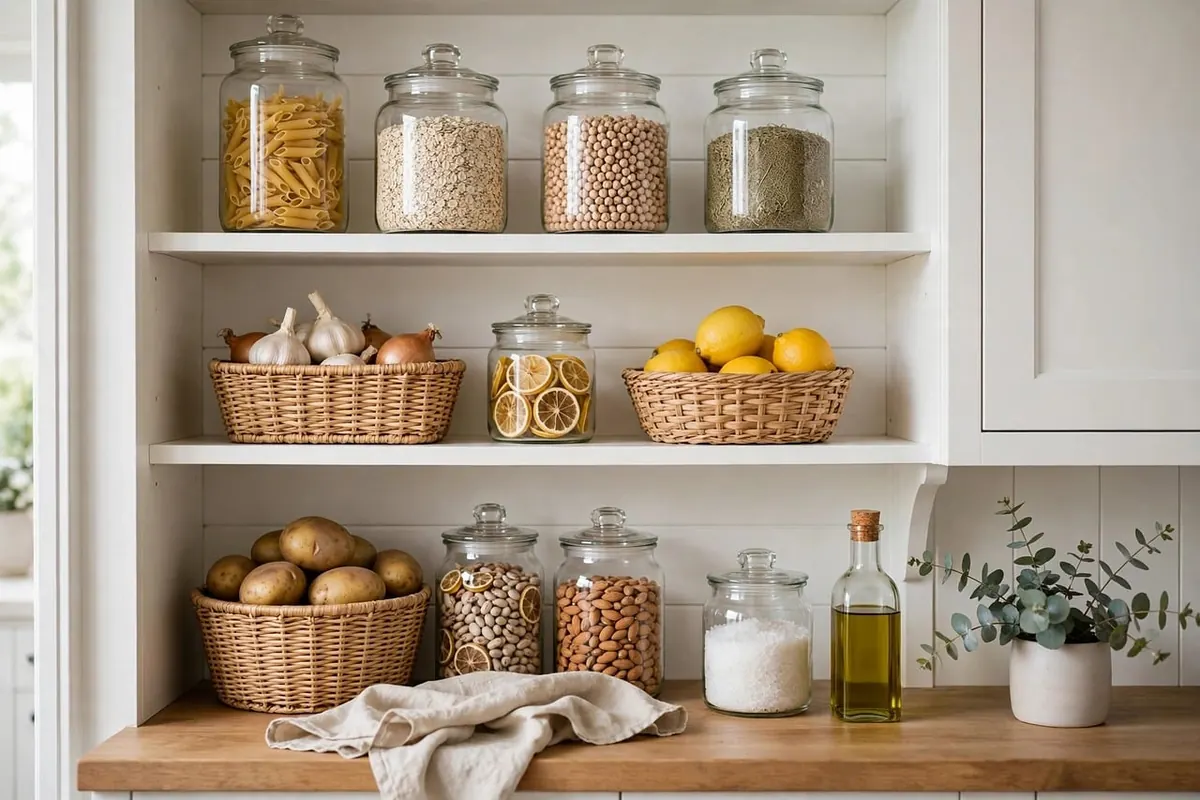
You can build a week of plant-based meals from a single big shop. Start here.
Tins, jars and packets
- Chickpeas, butter beans, black beans, kidney beans, cannellini beans
- Green or brown lentils, plus a bag of dried red lentils — cheap, quick, and the backbone of the bolognese below
- Chopped tomatoes and coconut milk
- Tahini and peanut butter, ideally without added sugar
- Quinoa, pearl barley, wholemeal pasta, and lentil or chickpea pasta if you want an easy protein top-up
- Nutritional yeast, for a savoury, cheesy flavour on toast, pasta and popcorn
- Pumpkin, sunflower or hemp seeds
Fridge and freezer
- Firm or smoked tofu, and tempeh if your store stocks it
- Fortified soya milk and soya yoghurt — soya beats most other plant milks on protein
- Hummus, or the ingredients to blitz your own
- Frozen edamame or soya beans, frozen peas, frozen spinach
- Plant mince or sausages, if you want a shortcut
Read the label on meat alternatives before you commit. Two products side by side can differ by more than double on protein. For a main meal, look for something in the region of 10g or more per 100g.
Portion sizes without weighing everything
Rough guides are enough once you know the shape of a portion:
- Three heaped tablespoons of cooked pulses, about 80g
- Half a block of firm tofu, roughly 100g to 150g
- Two tablespoons of peanut butter or tahini
- A small handful of nuts or seeds, about 30g
- A 200ml glass of fortified soya milk
- 80g dried wholemeal pasta, or 60g dried red lentils
Stack two or three of those into a meal and you are comfortably in range without any maths.
Three meals to start with
Lentil bolognese
Soften a diced onion, carrot and celery stick in olive oil. Add two cloves of garlic, 150g dried red lentils, a tin of chopped tomatoes, 400ml stock, a splash of soy sauce and a teaspoon of Marmite. Simmer for 20 to 25 minutes until the lentils collapse into a thick sauce, then stir through a handful of basil if you have it. Serve with wholemeal spaghetti. It freezes well, so make double.
Chickpea curry
Fry an onion, then add garlic, grated ginger, a tablespoon of curry powder and a teaspoon of cumin. Tip in a tin of tomatoes, a tin of coconut milk and two tins of chickpeas. Simmer for 20 minutes, add a handful of spinach at the end and let it wilt. Rice or a shop-bought roti on the side. A spoonful of peanut butter stirred in at the end makes it richer.
Tofu scramble on toast
Press a block of firm tofu for ten minutes, then crumble it with your hands. Fry with onion and pepper, then season with turmeric, nutritional yeast, a splash of soya milk, salt and plenty of black pepper. It takes about eight minutes and works at any time of day.
Two more for the rotation: overnight oats with soya milk, peanut butter and seeds, and a wrap filled with hummus, roasted vegetables and a handful of butter beans.
Making it stick
Flavour is what keeps this going. Smoked paprika, lemon zest, chilli flakes, fresh herbs and a decent stock cube do more for a bean dinner than any clever technique. Cook one big pot on Sunday and eat it twice. Keep tins in the cupboard for the days you cannot be bothered.
And do not aim for perfect. A plant-based meal that happens three times a week is worth more than a plan you abandon by Thursday.
A note on B12, iron and asking for advice
If you are eating fully plant-based, B12 needs attention because it is not reliably present in plant foods. Fortified milks, yoghurts and nutritional yeast help, and many vegans use a supplement. Iron from lentils, beans and seeds is absorbed less readily than iron from meat, so pair it with vitamin C — a squeeze of lemon, a pepper, a glass of orange juice — and keep tea and coffee away from meals where you can.
If you are pregnant, breastfeeding, managing a health condition or taking medication, talk to your GP or a registered dietitian before making big changes. This is general information, not personal medical advice.
Your first shop
Buy four tins of pulses, a bag of red lentils, a block of firm tofu, a jar of peanut butter, a bag of frozen edamame and a carton of fortified soya milk. Cook the lentil bolognese and the chickpea curry once each this week, then add a third recipe when those feel easy. That is the whole method: a stocked cupboard, two recipes you trust, and a bit of practice.

Common Yoga Mistakes Beginners Make (and How to Avoid Injury)
New to yoga? Learn the alignment, breath and prop habits that prevent injury, plus how to rest well and...

Yoga for Lower Back Pain: 8 Gentle Poses for Desk Workers
A beginner-friendly yoga sequence for desk-related lower back tension, with eight gentle poses, practical...
About Us